

A flooring packaging brief should make the words on a carton easier to verify before anyone starts polishing the layout. Private-label teams often receive product names, draft descriptions, image references and quantity fields from different conversations. Combining them into one attractive file can hide the fact that some information is confirmed and some is still a question.
The useful starting point is a copy record, not a finished design. Connect each proposed statement to the exact product and a responsible reviewer, then explain how it will be used. This guide offers an editorial coordination method for development teams. It is not Benchwick's packaging procedure, a legal labeling checklist or permission to print a carton. Applicable requirements and final release decisions remain with the qualified people responsible for the particular product, destination and program.
Start the flooring packaging brief with product identity
State the product reference, program and revision before drafting promotional language. Separate a working design name from a confirmed commercial name. If two teams use different identifiers for the same proposal, record the relationship and resolve the discrepancy rather than choosing whichever name looks better in the artwork.
List which packaging components the brief covers. A carton panel, sample sleeve and presentation mockup serve different purposes. A description written for an internal concept presentation should not move onto a shipping carton simply because the same designer works on both files.
Note the intended market and language so the appropriate reviewers can identify further requirements. Avoid filling unfamiliar fields by copying a competitor's carton. A reference example may help explain layout, but it does not establish which wording or information is correct for your program.
Build a copy record before arranging the panels
Write proposed wording in a simple review document. Give each item an identifier, source, owner and current state. Keep a question such as package quantity visibly unresolved until the exact product record confirms it. Empty space in a design is not a reason to invent a value.
Use a consistent distinction between confirmed text, proposed text and placeholders. Explain that distinction to everyone who receives the file. A designer needs to know whether a paragraph may be shortened or whether a controlled statement must be carried across exactly.
When the wording changes, update the copy record before circulating another artwork file. This prevents a reviewer from checking one version while the designer continues from another. Preserve the earlier version so the reason for a change remains understandable.
Separate the questions in each review
| Review area | Useful evidence | What it does not establish |
|---|---|---|
| Product identity | Exact reference and current product record | Approval of unrelated variants |
| Descriptive copy | Verified source and agreed wording | Permission to broaden a statement |
| Artwork layout | Current panel proof and copy revision | Technical or regulatory acceptance |
| Translation | Reviewed source text and language review | Approval of a changed source paragraph |
| Final release | Recorded approvals for the exact file | Automatic acceptance of later edits |
Assign these questions explicitly even when one person handles more than one area. A comment saying the panel looks good is ambiguous. Ask whether the reviewer checked visual arrangement, wording, product information or all of the identified items.
Keep claims connected to their actual evidence
For every proposed product statement, ask what supports it and whether that support applies to this exact item. A general company page, an older brochure and a product-specific document are not interchangeable sources. Record the date and scope of the evidence instead of describing every available file as current.
Benchwick's official innovation overview identifies Blue Eleven with digital printing and DSE with synchronized embossing. These are separate technology subjects. Mentioning them in a development discussion does not by itself confirm which technology applies to a particular private-label product or which wording belongs on its packaging.
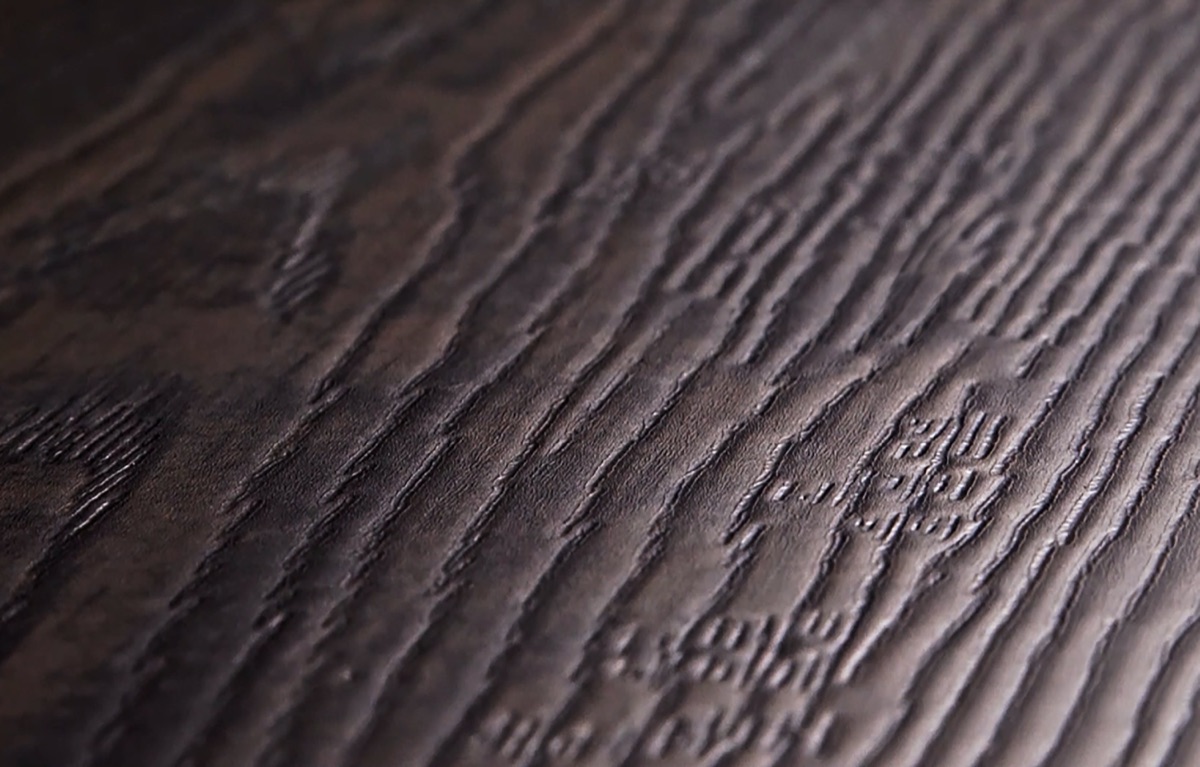
The images above are official brand illustrations, not examples of approved carton copy. Do not use their presence to imply a project-specific result, certification or performance level. Consult the product overview for context, then request the exact information required for the program.
If evidence is missing, leave the proposed statement open or remove it from the release version until it is resolved. A shorter, supportable description is preferable to a strong statement whose scope nobody can explain. Specialist review remains necessary wherever the claim or intended market requires it.
Review quantities and references as connected fields
Product names, identifiers, units and packaging quantities should be reviewed together against the same source revision. Do not calculate missing carton information from a photograph or borrow it from another collection. Ask the responsible product contact to resolve conflicting information before it reaches artwork.
Mark where each field appears across the proposed panels and related materials. A name may appear in a headline, a small identification block and a sample label. Correcting only the most visible occurrence can leave contradictory information elsewhere in the same set.
This is a consistency exercise, not an instruction to create new technical values. Keep any identifiers, machine-readable elements or mandatory markings subject to the appropriate verified specifications and specialist checks. The copy brief should show who must resolve them rather than pretending to supply those requirements.
Keep translations tied to a stable source
Provide language reviewers with the exact source revision and explain the intended use. Send enough context to distinguish a product name from a descriptive phrase. Do not assume that a phrase approved for a presentation has also been reviewed for packaging.
When source wording changes, identify the affected translations and return them for review. A previously checked translation should not be labeled current merely because its filename remains unchanged. Record the relationship between language versions so a later reviewer can follow the decision.
Check the placed proof as well as the separate text. Line breaks, missing characters or an omitted qualifier can alter what the reader sees. A readable proof helps people catch these issues, but it does not replace the required language or product review.
Make the release boundary visible
Before release, compare the final proof with the approved copy record. List unresolved questions and their owners. Do not hide a pending item inside a comment thread while presenting the overall file as approved. If the project has multiple packaging components, identify which ones are ready and which remain open.
Record the exact filename and revision covered by each decision. Preserve a viewable proof alongside the production file when the team's process calls for both. Successful file delivery only shows that an attachment arrived; it does not establish approval, print readiness or acceptance of a later revision.
A useful flooring packaging brief keeps product identity, copy evidence and visual presentation connected without confusing their approvals. Start with a clear text record, resolve uncertain statements and carry only the agreed version into artwork. For program-specific information, bring the exact reference and question to Benchwick's company contact page. The goal is a review trail that explains what was decided, by whom and for which file.
Frequently asked questions
What belongs in a flooring packaging brief?
+
Include the exact product reference, intended audience and market, proposed copy, artwork scope, supporting sources, unresolved questions and named review responsibilities. Confirm project-specific requirements with the responsible specialists rather than treating a generic checklist as a complete label specification.
Does an approved layout mean every packaging statement is approved?
+
No. Layout review concerns presentation. Product identity, claim evidence, translations and other applicable requirements need their own reviews. Record exactly what each approval covers and keep unresolved items visible.
Can a brand technology image support a claim about every product?
+
No. A general illustration explains a technology topic but does not prove that a particular product uses it or meets a stated performance level. Verify the exact product and approved wording before carrying a claim onto packaging.
How should a late copy change be handled?
+
Identify the changed wording and its source, check which versions and panels are affected, and return those items to the appropriate reviewers. Preserve the earlier approved version and do not release a changed file under an approval that covered different content.